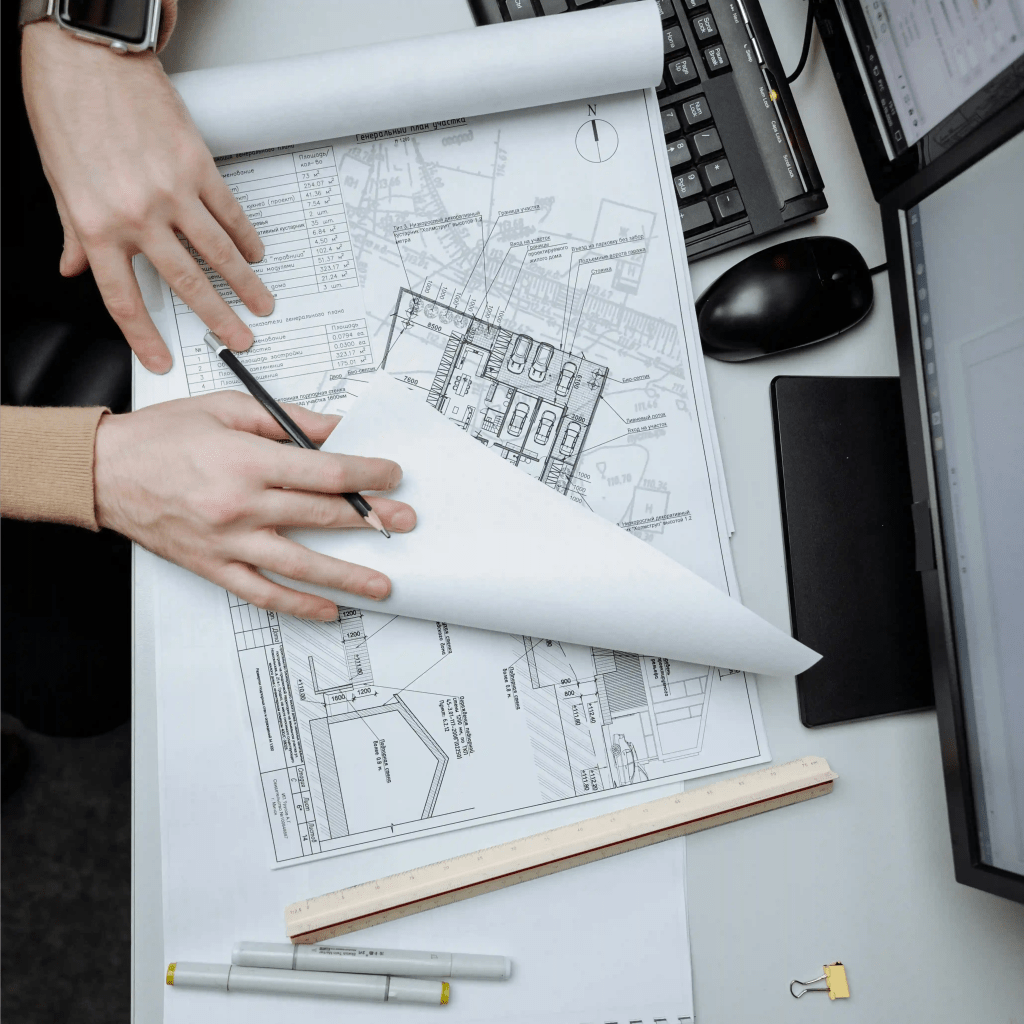
For decades, construction has relied on drawings to communicate design intent. They’re simple, portable, and familiar. But as BIM models become more powerful, it’s time to ask a bigger question:
Can we do better?
The Case for Models Over Drawings
Drawings are not broken. But they are limited.
They offer a frozen snapshot of the project at a moment in time. BIM models, on the other hand, are dynamic. They contain not just geometry, but also metadata, relationships, phasing, quantities, and more. Unlike drawings, they can be searched, queried, filtered, and validated in far more powerful ways.
In a model-first workflow, the model becomes the single source of truth. And that unlocks major benefits:
- Fewer RFIs and less back-and-forth between site and design teams
- Richer information available directly to the people installing and managing the works
- A reduction in duplicated effort (if you’re modelling everything anyway, why redraw it?)
- Faster updates, with less risk of working from outdated information
Drawings are still widely used, not because they’re better, but because they’re more familiar.
Why It’s Not Happening… Yet
It’s not a technology problem. The tools are already here.
We can deliver projects entirely through models. We can view, query, and mark up information on site using tablets or even mobile phones.
It’s not a capability problem. It’s a readiness problem.
Most contractors are set up to work from drawings. Most site teams have years of experience interpreting them. Changing that requires time, training, and trust.
There’s also a cost element. Drawings are compatible with everything. They can be printed, folded, handed around, or stuck to a wall. A model-based workflow needs devices, licences, and good digital practices to succeed. It’s not just a shift in software, but in mindset.
But make no mistake: this is where we’re heading.
The True Cost of Double Handling
In most design workflows today, the model comes first. Drawings aren’t created from scratch, they’re a byproduct of the model.
That means every drawing you see is already a secondary output. So when teams spend hours formatting views, annotating sheets, and keeping everything aligned, they’re not adding new information. They’re repackaging what’s already there.
Double handling isn’t a mistake. It’s baked into the established workflow. And it comes at a cost.
That’s time and effort that could be better spent refining the model itself, where the real value lies. Worse still, if the drawing set falls out of sync, it creates risk. People make decisions based on outdated information. The drawings that were meant to provide clarity instead cause confusion.
Final Thought
Let’s not pretend drawings are going away tomorrow. They still serve a purpose, but they shouldn’t be the default.
As models become the foundation of how we design and deliver, we need to rethink which outputs truly add value. Holding onto drawings because they’re familiar comes at a cost: in time, in clarity, and in duplication of effort.
This shift won’t happen all at once. But it will happen. And when it does, the teams who are already comfortable working model-first will be the ones who benefit most.
 Digital Innovation in Construction
Leave a comment